








What Causes Ice Dams on Canton Roofs
An ice dam is a ridge of ice that forms along the lower edge of a roof. Heat escaping from the living space warms the roof deck, the snow on top of it melts, and the meltwater runs down until it reaches the cold eaves that extend past the warm walls. There it freezes again. Every cycle makes the ridge taller, and the water building up behind it has nowhere to go but back up under the shingles.
Canton winters are built for it. National Weather Service normals for Akron-Canton show about 75 nights at or below freezing between December and February, while the average winter afternoon high sits near 38°F. That daily swing above and below freezing is the melt and refreeze pattern that grows ice dams, and a normal season adds about 47 inches of snow, with January the snowiest month.
Last winter ran harder than normal. Akron-Canton logged 79 nights at or below freezing, 11 nights at or below zero and about 48 inches of snow, and after Winter Storm Fern the Ohio Department of Commerce urged homeowners statewide to inspect their roofs for ice dams. As the state put it, the colder it is outside compared with inside, the more vulnerable a home becomes.
Warning signs
Signs of Ice Dam Damage in Your Home
Ice dams rarely announce themselves until water is already inside. These are the warning signs the Ohio Board of Building Standards points homeowners to, and the ones we find most often on Stark County inspections.
- A thick ridge of ice along the eavesIce building up at the roof edge, often with water pooled on the roof behind it, is the dam itself.
- Large icicles hanging from gutters and eavesA few small icicles are normal. Heavy icicles along the whole gutter line usually mean meltwater is running off the roof and refreezing at the edge.
- Uneven snow on the roofShallow snow or bare patches over heated rooms beside deeper snow over the eaves, garage or porch shows where heat is escaping into the attic.
- Damp ceilings where they meet exterior wallsStains or wet spots on upper floor ceilings along outside walls are where ice dam water most often shows up inside.
- Leaks that appear days after a snowfallIce dam leaks often show up after the snow has stopped, once the water trapped behind the ice finally finds a way in.
- Gutters sagging or pulling awayIce is heavy. Gutters packed with it can bend, separate from the fascia or tear loose entirely.
- Damp insulation or a musty atticWet or flattened insulation and a musty smell in the attic can mean water has been getting in for some time.
What Ice Dams Do to Your Roof and Home
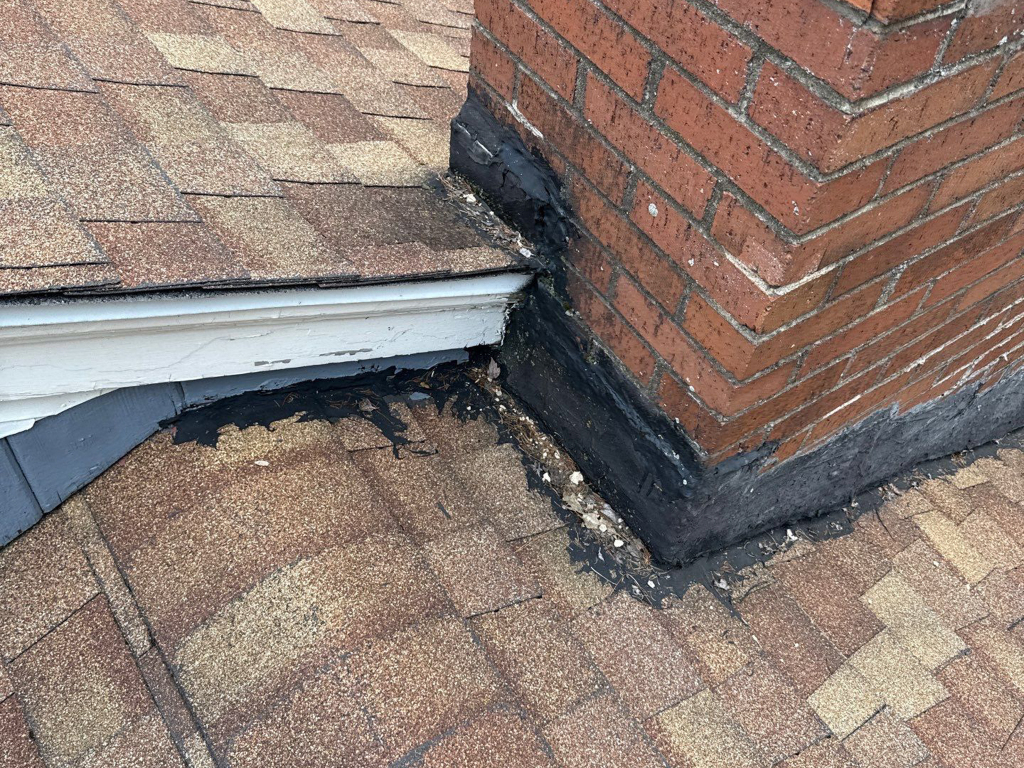
Shingles are designed to shed water running downhill. They are not designed to hold back standing water, and that is exactly what an ice dam creates. Trapped meltwater works its way up under the shingle courses, through nail holes and seams, and onto the roof deck.
From there the damage spreads in ways that are easy to miss. Wet decking softens and can rot. Soaked insulation loses much of its value, which lets more heat into the attic and makes the next ice dam worse. Water reaches the drywall, leaving stains, peeling paint and, given time, conditions for mold. Outside, the weight of the ice bends gutters and pulls them from the fascia, and heavy icicles become a hazard over doors and walkways.
Because ice dam water often enters slowly, the stain you notice in February can be the last stage of a leak that started weeks earlier.
What to Do If You Have an Ice Dam Right Now
Stay off the roof. The Ohio Board of Building Standards specifically advises homeowners not to climb onto the roof to remove or melt an ice dam. A roof in those conditions is slick and dangerous.
Do not chip at the ice. Hammers, shovels and ice picks break shingles and tear gutters, and turn an ice problem into a roofing problem.
Clear the lower edge from the ground if you can do it safely. A roof rake used from the ground pulls fresh snow off the bottom of the roof so there is less to melt and refreeze. An ice dam removal technician interviewed by News 5 Cleveland recommends keeping roughly the bottom four feet clear.
Protect the inside and document everything. Catch the water, move belongings out of the way, and photograph the ceilings, walls and roof edge before anything is cleaned up or repaired. Then call a roofing company to inspect the damage, which is the state’s own recommendation.
If water is actively coming in, our emergency roof repair team can contain it, and we return for the permanent repair once the work can be done correctly.
Prevention
How to Prevent Ice Dams on Your Roof
Removing ice treats the symptom. Lasting ice dam prevention keeps the roof deck cold enough that snow does not melt from underneath, and gives any water that does form a protected path off the roof.
- Seal the air leaks into the atticWarm air escaping around light fixtures, pipes, vents and other ceiling penetrations is one of the most common causes. The Ohio Board of Building Standards lists closing those leaks among the first steps homeowners can take.
- Add attic insulation where it is thinInsulation keeps living space heat out of the attic. Home energy auditors and weatherization contractors can find and fix the gaps, and the state suggests thermal imaging to locate major heat leaks. If your attic is where the problem starts, we will tell you.
- Balance the attic ventilationIntake at the soffits and exhaust at the ridge keep the underside of the roof close to the outside temperature. We check and correct ventilation as part of every roof replacement.
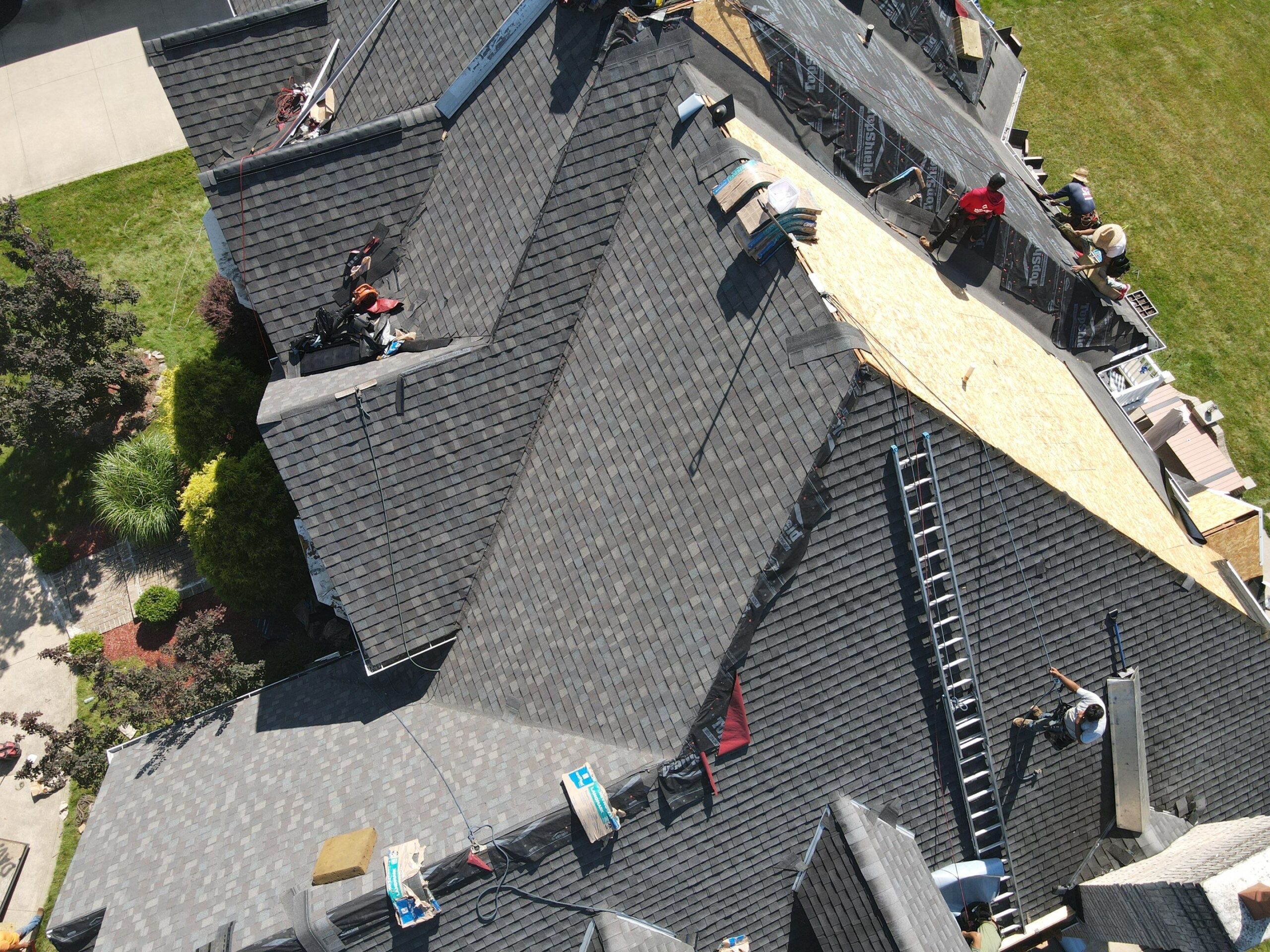
- Install ice and water shield at the eaves and valleysThe state advises homeowners to check whether an ice barrier exists along their eaves and valleys. This self sealing membrane goes under the shingles exactly where ice dams form, and it is part of every Right Choice roof replacement.
- Keep gutters clear and properly pitchedClogged or sagging gutters hold water and ice right at the roof edge. Seamless gutters sized to the roof and hung to the correct pitch drain far better going into winter.
- Rake the lower edge after heavy snowPulling snow off the bottom of the roof from the ground reduces how much can melt and refreeze at the eaves.
Heat cables and steam removal deal with ice that has already formed. They can help in the moment, but neither changes the heat loss and ventilation that created the dam in the first place.
Does Homeowners Insurance Cover Ice Dam Damage?
It depends on your policy and on the cause. Many homeowners policies cover sudden water damage when an ice dam forces water into the home, while damage from long term wear, age or neglected maintenance is generally excluded. Work to prevent the next ice dam, such as insulation or ventilation upgrades, is generally not covered.
If you plan to file, documentation matters. Photograph the interior damage and the roof edge before anything is repaired, keep receipts for any emergency work, and contact your insurer promptly. Our guide to Ohio roof insurance claims explains the deadlines Ohio insurers must meet, and our storm damage and insurance claims page shows how we document damage for homeowners.
Common questions
Ice Dam Questions From Canton Homeowners
Are icicles on my gutters a sign of an ice dam?
Not always. A few small icicles are common in any Canton winter. Large, heavy icicles along the whole gutter line, a ridge of ice at the eaves, uneven snow on the roof or damp ceilings near exterior walls together usually mean meltwater is refreezing at the edge and an ice dam is forming.
Can I remove an ice dam myself?
The Ohio Board of Building Standards advises homeowners not to climb onto the roof to remove or melt an ice dam. Using a roof rake from the ground to pull snow off the lower edge is reasonable when it can be done safely, but chipping at the ice damages shingles and gutters. Leave ice on the roof itself to a professional.
Can you repair an ice dam leak in the middle of winter?
Active leaks can be contained in winter, and many repairs can be completed on cold days with the right procedures. Some permanent work, particularly where new shingles need warmth to seal properly, is better finished once conditions allow it to be done correctly.
Will a new roof stop ice dams?
Not on its own. A new roof with ice and water shield at the eaves resists ice dam leaks far better, and correcting the ventilation helps keep the deck cold. But if heat is pouring into the attic through air leaks and thin insulation, ice dams can still form, so the attic needs attention too.
Do heat cables prevent ice dams?
Heat cables can keep a channel open for meltwater along the eaves and gutters, but they treat the symptom rather than the cause, use electricity, and need correct installation and upkeep. Fixing the heat loss and ventilation addresses why the ice dam formed.
Why do ice dams keep forming on the same part of my roof?
Usually because heat escapes into the attic in that area, often around recessed lights, an attic hatch, bathroom or kitchen vents, or a section with thin insulation, or because ventilation is blocked there. Uneven snow on the roof after a snowfall often shows exactly where.
Book a Free Ice Dam and Roof Inspection
We will inspect the roof edge, flashing, gutters and attic, photograph what we find, and tell you plainly what caused the problem and what it will take to stop it happening again. Free, with no obligation either way.