







Every Storm Claim Comes Down to Cause
Insurance carriers pay for sudden damage from a covered event. They do not pay for a roof that has simply worn out. Whether you are dealing with hail, wind, a fallen tree or water coming through a ceiling, the claim turns on showing what caused the damage and when it happened.
Each type of storm damage leaves different evidence, and each one is documented differently. Below is how the common claims work, what we look for in each, and how we walk you through the process from the first inspection to the finished restoration.
Types of claims
The Storm Damage Claims We Help With
Most storm claims in Northeast Ohio fall into one of six categories. Each one leaves its own evidence, and knowing which you have shapes how it should be documented.
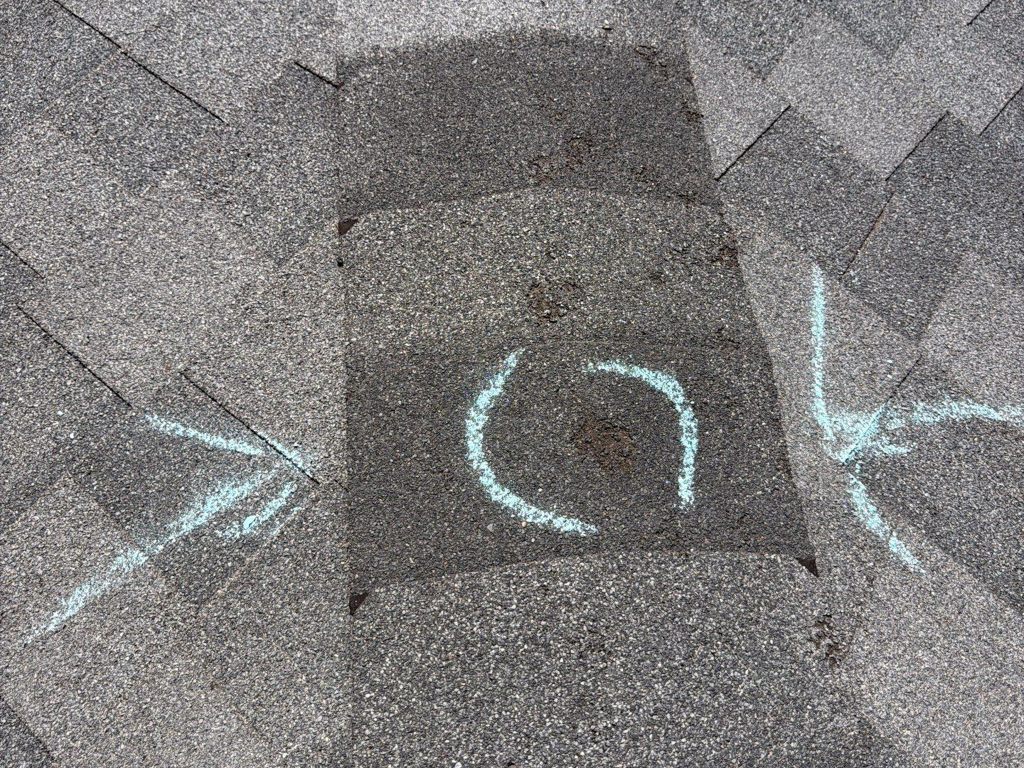
- Hail damage claimsHail rarely punches through a shingle. It bruises the mat and knocks granules loose, and the roof then ages quickly for years afterward. We mark and photograph each impact and check gutters, vents and other soft metals for the dents that show hail of meaningful size actually fell.
- Wind damage claimsWind lifts, creases and tears shingles, usually along ridges, rakes and roof edges where the loading is most direct. A creased shingle has lost its seal even if it is still on the roof, so we document each one and the direction the damage runs.
- Fallen tree and impact claimsA limb or tree can puncture decking, crack rafters and damage gutters in a single hit. Safety and water come first, so we protect the opening once the damage has been photographed and then assess the framing underneath before anything is rebuilt.
- Siding and gutter storm damageThe storm that damaged your roof often cracked siding and dented gutters and downspouts at the same time. We inspect and document the whole exterior so damage from one event is recorded together rather than discovered piecemeal.
- Ice dam and winter water damageIce dams form at cold eaves and push meltwater up under the shingles. Whether the interior water damage is covered depends on your policy wording, and the underlying cause, often attic ventilation or insulation, matters to both the claim and the fix.
- Storm related leaksA leak that appears right after a storm is a different claim from one that has been building for years. Timing and evidence decide which it is, so we trace the water to its entry point and record what we find before any repair hides it.
What Insurance Usually Does Not Cover
Homeowners policies are written for sudden events. Wear, age, deferred maintenance and poor original installation are generally excluded, and a roof that has been shedding granules for years will not become a covered loss because a storm passed over it.
We would rather tell you that before you file than after a denial. If the damage does not look like it would support a claim, you will hear it from us plainly, along with your real options, whether that is a targeted roof repair or a planned roof replacement with financing available.
Documentation Built on the HAAG Standard
Right Choice Exteriors holds HAAG certification for residential roof inspection. HAAG has worked in forensic damage assessment since 1924, and its residential certification requires at least 100 steep slope roof inspections as the primary on site inspector before the exam. Its eligibility rules count adjusted insurance claims as qualifying inspections, which is why the methodology centres on separating real storm damage from everything that resembles it.
Every finding is marked and photographed, with impact pattern, density and direction recorded across each slope. Photographs are taken before any tarp or temporary repair goes on, and you keep the full set whether you hire us or not.
How we help
How We Walk You Through a Claim
You stay in control of your claim at every step. This is where we fit into the process, from the first inspection to the finished job.
- A free storm damage inspectionWe inspect the roof, siding, gutters and attic, and photograph every finding to the HAAG standard.
- An honest read before you fileWe tell you whether the damage looks like it would support a claim. If it does not, we say so and explain your options.
- Emergency protection if water is getting inOnce the damage is documented, we tarp or temporarily repair the opening. Keep the receipt, since insurers typically reimburse emergency repairs as part of the claim.
- You open the claim with your insurerAsk for a claim number and the name of your adjuster. We explain what to expect next, including the response timelines Ohio requires.
- We can be there for the adjuster inspectionWe walk the roof with the adjuster when you want us there, point out what we documented and share our photographs.
- A detailed scope of workYou receive a line by line scope you can compare against the insurer’s estimate. Coverage and settlement decisions stay between you and your insurance company.
- Restoration, paid when you are satisfiedWe complete the work with nothing due until it is finished and you are satisfied, backed by our 12 year workmanship warranty. Your deductible is your share of the claim, as with any insurance job.
We never ask for power of attorney, and we do not negotiate or settle your claim for you. The Ohio Department of Insurance advises homeowners to keep those decisions in their own hands, and we agree.
Ohio Claim Timelines at a Glance
Ohio Administrative Code 3901-1-54 sets the pace for property claims. Your insurer must acknowledge a claim within 15 calendar days, decide whether to accept or deny it within 21 days of receiving a properly executed proof of loss, and pay an accepted, undisputed claim within 10 days.
If the insurer needs more time, it must tell you why and update you in writing at least every 45 days, and any denial must point to the specific part of your policy it relies on. Our guide to Ohio roof insurance claims walks through every one of those rules in detail.
What Homeowners Say
Book a Free Storm Damage Inspection
We will inspect the roof and the rest of the exterior, document what the storm did, and tell you honestly whether it looks like it would support a claim. Free, with no obligation either way.