






If your roof is nearing the end of its life, October brings the same question every year: get it done before winter, or ride it out and replace it in spring? In Northeast Ohio the answer depends less on the calendar than on two things most homeowners never hear about. The first is the temperature shingles need in order to seal. The second is whether the roof you have now can survive another Ohio winter.
The short answer
For most Ohio homeowners, early to mid fall is the best time to replace a roof. Daytime highs in the Canton area average 62°F in October, warm enough for the sealant strips on asphalt shingles to activate before winter. Waiting until spring trades that window for an average of 20 freezing nights in March, a wet April, and the start of storm season. If your roof is already leaking or storm damaged, do not wait for either season.
Why does temperature matter for a new roof?
Asphalt shingles are held down by nails, but most of their wind resistance comes from a strip of heat activated sealant that bonds each shingle to the course below it. Owens Corning’s cold weather technical bulletin explains that the sun’s energy activates that sealant, and that shingles installed in cold weather may not seal until warmer temperatures arrive. Owens Corning applies additional cold weather procedures when air and surface temperatures are at or below 40°F, and GAF recommends installing at 40°F or above, with hand sealing when it is colder.
Until those strips bond, a new roof relies on its fasteners alone to resist wind, and that is the window when shingles lift. Homeowner forums repeat the same story: a roof installed in mid November, a windward dormer that never sealed down, and shingles peeling off during the first winter. The shingles were not defective. They simply never got warm enough to finish sealing, and nobody hand sealed them.
Cold also makes shingles stiffer and easier to crack while they are being handled and nailed. That is why the asphalt roofing industry’s own cold weather guidance calls for storing bundles warm, handling them carefully, and using manufacturer approved hand sealing when shingles cannot seal on their own.
What does Ohio’s fall weather actually allow?
Using the Akron-Canton Airport climate averages, which represent most of Stark County, October averages a high of 62°F and a low of 44°F. November drops to a 50°F high and a 34°F low. The growing season, which tracks the first hard freeze, typically ends around October 25.
In practical terms, September and October give a new roof several weeks of afternoons warm enough for the sealant to bond before freezing weather settles in. By the second half of November, nights sit near freezing and sunny afternoons above 50°F become unreliable. So the fall window in Northeast Ohio really runs from September into early November, not anytime before Christmas.
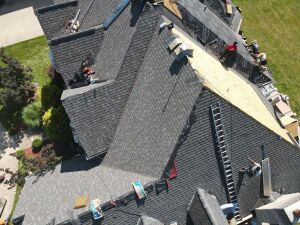
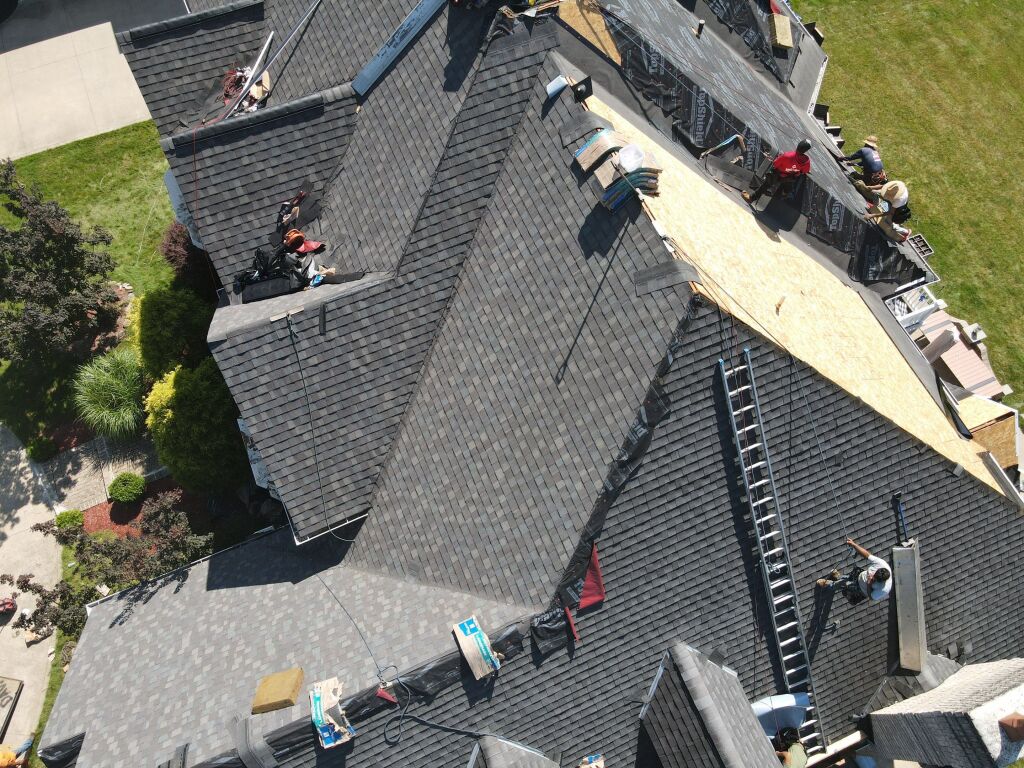
Fall has other advantages here too. Demand from the spring and summer storm season has eased, scheduling is usually more flexible, and you go into winter with a roof that has been inspected, rebuilt and sealed, rather than hoping an aging one holds for four more months.
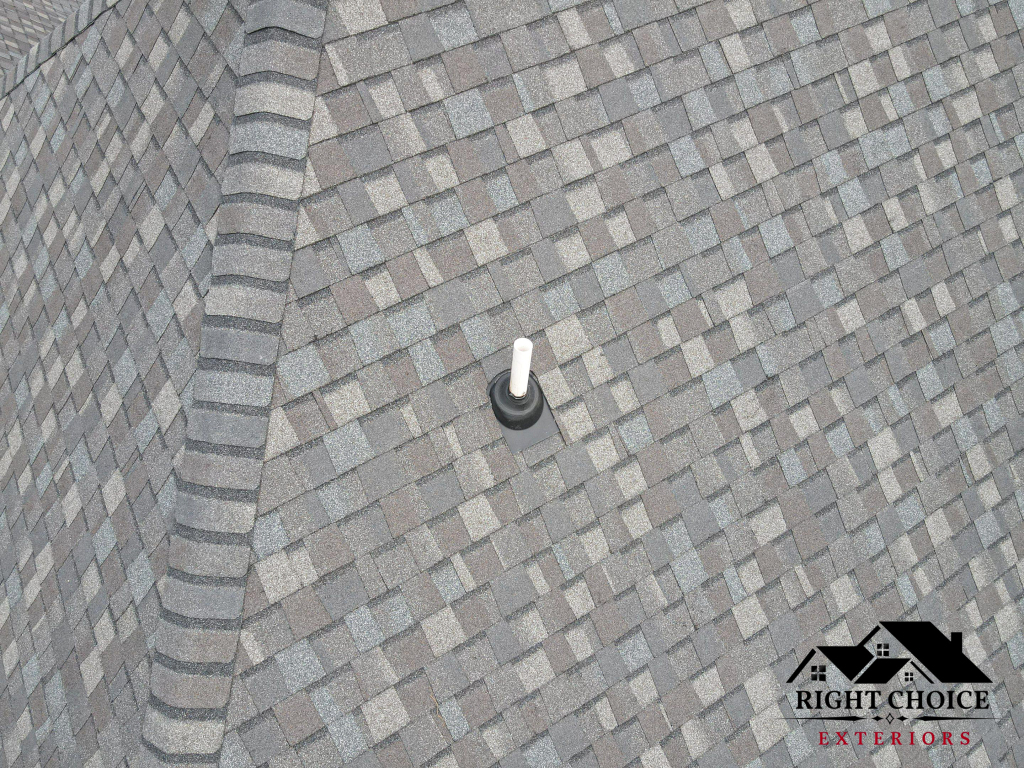
What happens if you wait until spring to replace your roof?
Spring in Ohio starts slower than most people expect. The National Weather Service climate normals for Akron-Canton show March averaging a high of about 48°F, with 20.3 nights at or below freezing in a typical year. A roof replacement in March faces the same sealing problem as one in late November.
April warms up but brings the wettest stretch of spring, with close to 4 inches of rain spread across roughly two weeks of wet days in the Canton area. Rain does not stop a reroof outright, but it does mean postponed tear offs, because no careful contractor opens a roof deck with a front moving in.
Then storm season arrives. National Weather Service records list 8,797 hail events and 20,788 damaging wind events in Ohio since 1950. NOAA counts an average of 7.2 billion dollar weather disasters a year affecting the state from 2020 through 2024, compared with 2.3 a year across the longer record. When a widespread hail or wind event hits Stark County, roofers across the region get booked at the same time, and a planned spring replacement ends up competing with storm damage roof repair for a place on the schedule.
The real risk of waiting: your old roof has to survive winter
The fall versus spring debate usually ignores the roof you have right now. If you wait, that roof has to get through December, January and February first, and a Northeast Ohio winter is hard on a worn roof.
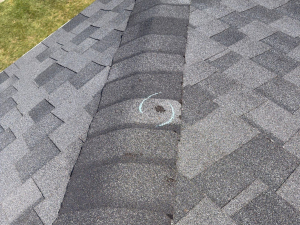
Freeze and thaw cycling works fasteners loose and opens tired flashing joints. Snow melts on the warmer upper roof, refreezes at the colder eaves, and forms ice dams that push water up under the shingles, a problem that shows up most on attics with poor ventilation. Winter wind lifts brittle shingles whose seals failed years ago. The leaks that do start often stay hidden until a thaw, when the ceiling stain finally appears and the water has already been traveling through insulation and framing for weeks.
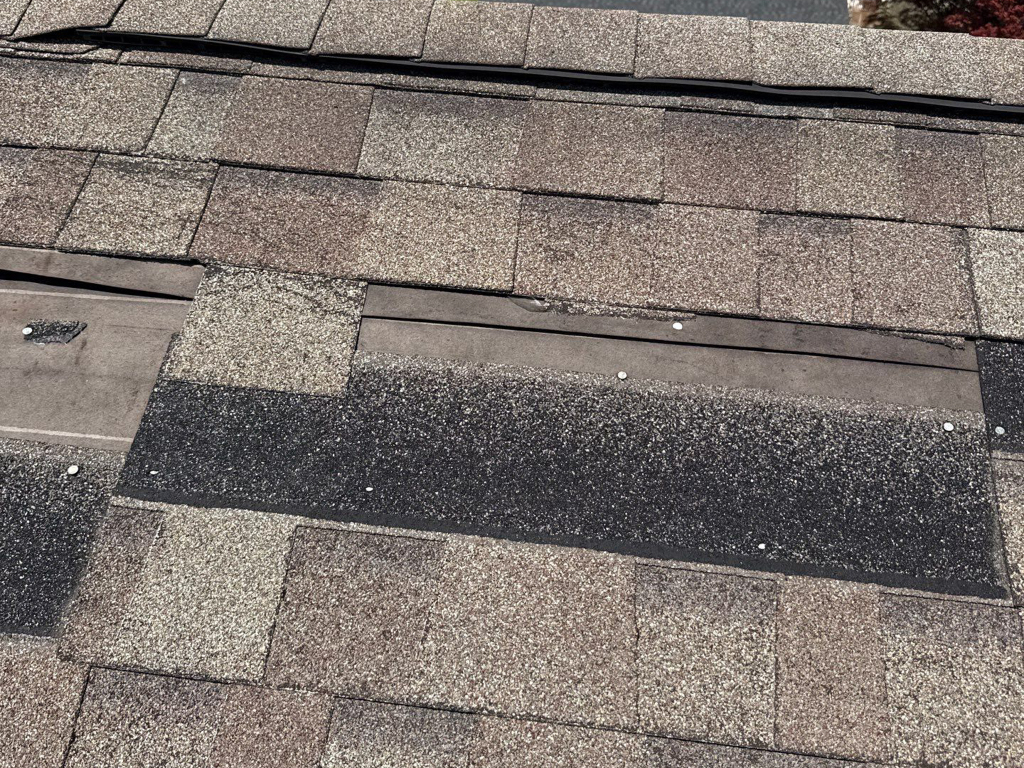
Canton’s housing makes this more pressing. The median home in the city was built in 1947 and roughly 41 percent predate 1940, so many roofs here sit on plank decking, carry more than one old layer, and rely on flashing that is decades old. An aging roof on an older Canton home is exactly the combination that tends to fail in winter rather than spring. If you are unsure how much life yours has left, our guide to how long a roof actually lasts in Ohio walks through the warning signs.
Can a roof be replaced in late fall or winter in Ohio?
Yes, and it happens regularly. Neither Owens Corning nor GAF sets a single temperature below which roofing is banned. What they require is that cold weather procedures are followed: bundles stored warm and handled carefully, nails placed exactly where the manufacturer specifies, and shingles hand sealed with approved asphalt roofing cement, especially along the eaves, rakes, hips and ridges where wind attacks first.
If your roof replacement falls in late November or a mild winter week, ask your contractor three direct questions. Will the shingles be hand sealed, and where? How will the bundles be stored so they do not crack? What happens if a section lifts before the sealant bonds in spring? A contractor who answers those clearly is following the manufacturer’s process. One who says the cold makes no difference is not.
Fall vs spring roof replacement in Ohio at a glance
| Fall (September to early November) | Spring (March to May) | |
|---|---|---|
| Typical Canton temperatures | October highs near 62°F, November near 50°F | March highs near 48°F, April near 60°F |
| Shingle sealing | Several warm weeks to seal before winter | March often too cold, April and May reliable |
| Weather delays | Generally drier and more predictable | April is the wettest stretch of spring |
| Storm season | Largely behind you | Just beginning |
| Your existing roof | Replaced before winter stress | Must survive another winter first |
| Scheduling | Usually more flexible | Competes with storm damage work |
How do you decide what is right for your roof?
Condition decides this, not the season. If water is coming in right now, the season does not matter: call for emergency roof repair or roof tarping to stop the damage, then plan the permanent fix. If a recent storm caused hail or wind damage, have it inspected and documented now, while the storm date is recent and before winter adds damage of its own.
If the roof is aging but sound, with no active leaks, the decision is genuinely about timing. A roof replacement in the fall window gets the work done before winter tests it. Waiting until late spring is reasonable if the roof is still structurally solid and you would rather plan around your budget, but go in knowing it has to survive one more winter first. And if the problem is isolated, such as a single failed pipe boot or one section of wind damaged shingles, a targeted roof repair may responsibly carry the roof until the timing suits you.
The only way to know which situation you are in is to look at the roof properly: shingles, flashing, valleys, gutters, and the attic from below. That is exactly what a free roof inspection is for, and it is the honest first step before anyone tells you that you need a new roof.
Does insurance or storm damage change the timing?
It can. Sudden storm damage from hail or wind is frequently covered by a homeowners policy, while wear and age are not, and that distinction gets harder to prove the longer you wait. Winter damage layered on top of an unreported fall storm makes it difficult to show which event caused what. Policies also set their own deadlines for reporting a loss, so check yours rather than assuming you have until spring.
Our inspections follow the HAAG Certified Inspector standard for residential roofs, the same methodology many insurance carriers train their own adjusters on. We photograph and document storm damage before anything is covered, and our insurance claim support includes a licensed adjuster who works alongside yours. No contractor can promise a claim outcome, and we will tell you plainly if the damage does not look like it would support one.
Frequently asked questions
Is it too late to replace my roof in November in Ohio?
Not necessarily. Early November in the Canton area often still has afternoons in the 50s, and roofs can be installed later in the season when the manufacturer’s cold weather procedures are followed, including hand sealing. The later in the season you go, the more those procedures matter, so ask your contractor exactly how they will handle sealing.
What temperature is too cold to install asphalt shingles?
There is no single universal cutoff. Owens Corning applies its cold weather procedures when air and surface temperatures are at or below 40°F, and GAF recommends installing at 40°F or above. Below that, shingles are stiffer and the sealant strips will not bond on their own, so hand sealing with approved roofing cement is required.
Will shingles installed in the fall seal properly?
Shingles installed in September or October in Northeast Ohio usually get enough warm, sunny days to bond before winter. Shingles installed in late fall may not fully seal until spring warms them, which is why hand sealing along the roof perimeter is used to protect them from wind in the meantime.
Should I wait until spring if my roof is already leaking?
No. An active leak lets water travel through decking, insulation and framing, and winter freeze and thaw cycling will make it worse. Stop the water now with an emergency repair or roof tarp, then plan the permanent repair or replacement.
Is roof replacement cheaper in the fall or spring?
Roof replacement cost is driven mainly by the roof size, pitch, number of layers to remove, decking condition and material, not the season. What fall usually offers is more scheduling flexibility, because storm season demand has eased. Waiting for a seasonal discount is rarely worth it if the roof is already failing.
Does the season matter for a metal roof?
Less than it does for asphalt. Metal panels are mechanically fastened and do not rely on heat activated sealant strips, so cold weather does not affect how they hold down, although frost and ice still affect crew safety. On every metal roof we install we use 1×4 furring strips so panels can expand and contract, and a snow bar, details that matter more in an Ohio winter than the installation month.
Get your roof checked before winter
If your roof is approaching 20 years old, shedding granules into the gutters, or has been through a recent storm, the best move this month is a free roof inspection. Right Choice Exteriors is a family owned and veteran owned roofing contractor working from an office on Whipple Avenue SW in Canton since 2014. We serve Canton, North Canton, Dover and the surrounding Northeast Ohio communities, back completed roof replacements with a 12 year workmanship warranty, and take no payment until the work is finished and you are satisfied.
Call or text 330-949-9141, or book your free roof inspection online.